
Many refrigerator sounds are normal; new loud noises with cooling changes deserve attention.
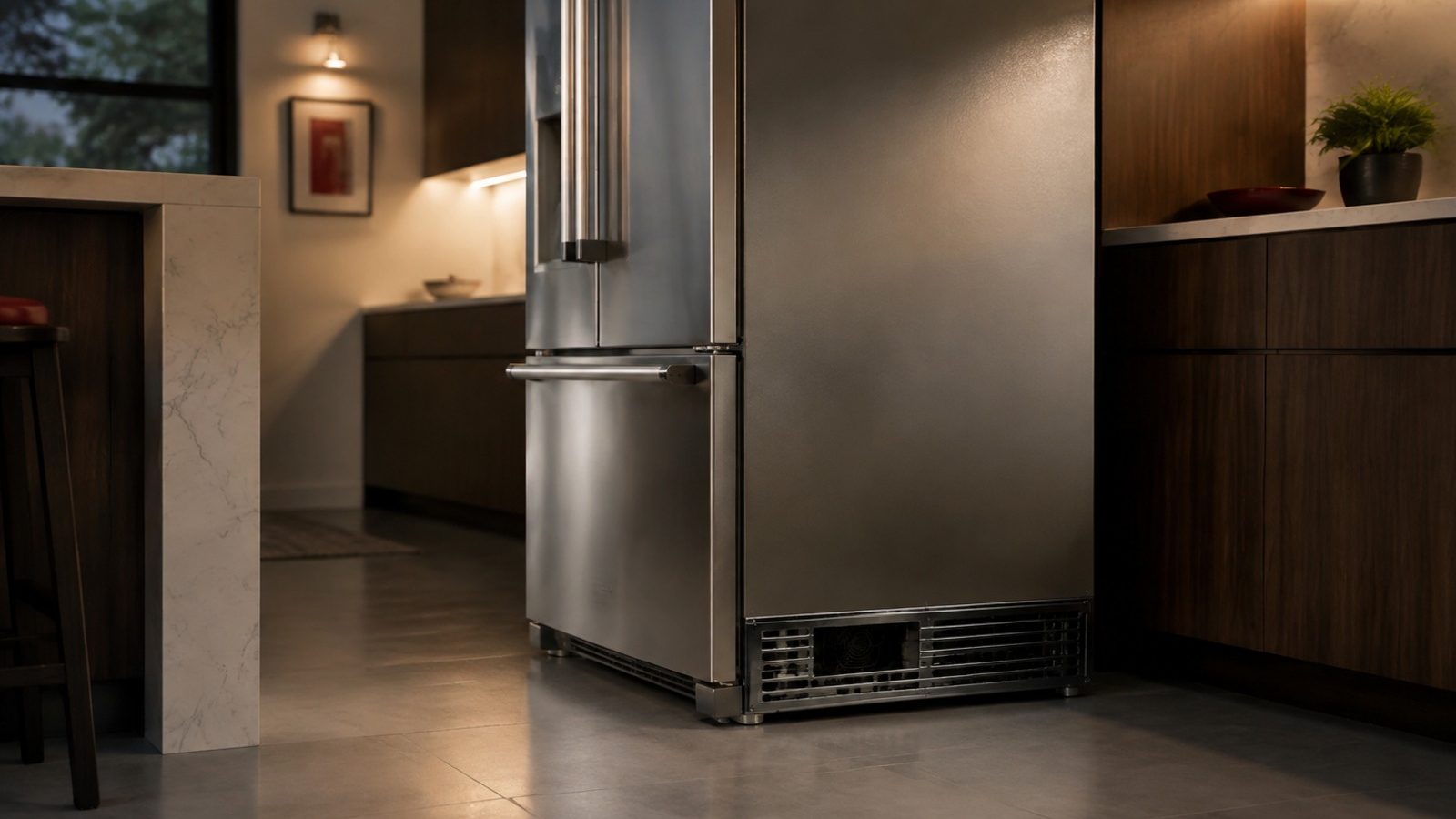
Hums, gurgles, clicks, and occasional pops are typical refrigerator sounds, and rattles often come from items touching the cabinet or an unlevel base. A new grinding or squealing noise, especially with poor cooling, is the point to stop guessing and book a diagnosis. Start by clearing what is near the cabinet and checking that it sits level.
A refrigerator that suddenly sounds different invites guesses about which part has died, yet a noise alone seldom points to one culprit. Begin with checks that are safe and easy to repeat, and jot down what you notice so any later service visit starts from solid information.
Everyday upkeep sits on one side of a line here, and anything needing meters or removed covers sits on the other. Never defeat a lock, a safety switch or a warning on the display just to keep the unit going. A few written notes taken now will speed up and sharpen whatever diagnosis follows.
Take things off the top and sides of the cabinet, check that it stands level, and leave open space so nothing nearby can buzz against it. Do all of this with the fridge left in its usual spot, never prying at panels, fittings or controls. Once an adjustment changes the sound, give the refrigerator a normal stretch of running time before you decide what it meant.
A hum, a gurgle, a click or an odd pop can all be ordinary, whereas steady grinding or rattling together with weak cooling deserves more attention. Note the rhythm: does the sound repeat constantly, show up only when the fridge is loaded a certain way, or appear after it has run a while? That detail tells you more than switching the unit off and on again. Sounds are easier to trace when you can say whether they seem to come from high up, from the rear wall or from near the floor.
| Sound | Common meaning | Safe check |
|---|---|---|
| Soft humming | Ordinary running noise | Just listen |
| Rattling | The cabinet vibrating against something | Make it level and clear nearby items |
| Grinding | A fan or sealed-system concern | Arrange a diagnosis |
KitchenAid guidance for some refrigerators lists a hum, gurgling refrigerant, relay clicks, and popping or cracking from the cabinet expanding and contracting as normal. Auto-defrost models can also sizzle or gurgle during the defrost phase. Those noises come from a cooling system doing its work, and they tend to start and stop as the unit cycles.
Timing helps separate them from a problem. A sound that follows the cooling cycle is different from one that begins when you open a door or touch a shelf, and a sound that is new and constant is different from one you have always heard from that spot.
Look in the use-and-care manual for the controls, filter access and upkeep schedule that apply to your model. Limit cleaning to parts the manual names as owner-serviceable, choose only the cleaners it recommends, and put every removable piece back in its designed position.
Before another attempt, take out anything in the way, lighten a very full load, and confirm that airflow, the water supply and door travel are not cramped. Resist resetting again and again, since that can mask an on-and-off fault and leave water, heat or pressure in places they should not be.
Fine for owners
Better left to a technician
The same guidance says grinding or squeaking can be a door rubbing, and a rattle can be an item on top of the refrigerator or an unlevel cabinet that rocks slightly. Adjusting the leveling legs, where the manual describes it, is an owner task. Buzzing near an ice maker can be the water valve, which is normal when no water line is connected, and an ice maker left switched on without a water line can also leave the freezer or crisper colder than expected.
A grinding noise that remains after the doors, shelves, and level are sorted, particularly alongside warming food, is where a fan or another internal part may be involved. Reaching it means removing covers, so that step belongs to a technician.
A new grinding or squealing noise, especially with poor cooling, is the point to stop guessing and book.
When the basic steps leave the symptom unchanged, stop at the line of what an owner can safely do. Wiring inside, heating circuits, pumps, motors, refrigerant lines, gas fittings and control boards call for proper test gear and a technician able to confirm the repair is safe.
Book service soon if things keep getting worse, a breaker trips, liquid appears near electrical parts, there is a hot or burnt smell, a fresh grinding sound starts, or a normal cycle cannot finish. An appliance showing a safety warning should not be kept running.
Bring the model number, a precise account of the symptom and its start date, the settings in use, and what each safe check turned up. Snapping a picture of a displayed code or describing the noise in your own words both help, but no cover should ever be removed to get either one.
Close listening is no replacement for a repair, yet it is where to begin. Settle the easy conditions first, hold on to any message you saw on the display, and let a qualified technician handle wiring, gas, the sealed system and anything mechanical inside the cabinet.
Guidance for some KitchenAid models lists gurgling and relay clicks among normal sounds. If a sound is new, getting louder, or paired with warm food, treat it as worth a closer look.
Items resting on top of the cabinet, loose contents, or an unlevel base are external causes the guidance names. Remove what is touching the cabinet and check the level before suspecting a part.
Moving it can pinch a water line or strain the cord, and the rear covers should stay closed. Describe the sound and its location instead, and let a technician open anything.
Need help now? Visit our services page or contact us.
Official manuals and support notes are available on KitchenAid owner support.
Copy down the complete model number prior to buying parts, as board and sensor revisions can change the correct part number.
One power reset may clear a passing glitch, but a code that comes back again and again normally signals a physical cause that is still present.
Between visits, keep vents and filters unblocked. Poor airflow regularly imitates an electrical or sensor fault.
Any sign of leaking water, a burnt odor or sparking means the unit should be switched off and left for a professional to look at.
Move items away from the cabinet, confirm the refrigerator is level, and leave clearance so nothing behind or above it can vibrate.
Only if there is no burning smell, smoke, sparking, gas odor, water near electricity, or other safety warning. Otherwise stop and arrange service.
Flame color and shape changes on gas cooktops can signal cleaning needs or a supply issue…
Large cavities and hidden elements can make preheat feel slow — learn what is normal and…
Musty or food smells usually come from filters, standing water, or loading habits — not a…
Share a few details and we’ll confirm an appointment. Prefer to talk? Call us and we’ll help right away.
Fields marked with * are required.