
Simple gasket, drawer, and drum care helps prevent musty odors in front-load washers.
Keeping a front-load washer fresh depends on moisture control and not on a part: wipe the gasket after loads, leave the door and dispenser open to dry, and measure detergent so residue does not build up. Run the drum-clean routine on the schedule your manual gives. An odor that survives all of that, or a leak, is the cue to book a visit.
A front-load washer that starts to smell musty makes people suspect something has broken, though a smell by itself does not tell you which part is at fault. Begin with checks that carry no risk and can be repeated, and note what you find for any visit later on.
Basic freshening is a job for the owner, while testing or taking things apart is not. Do not override a lock, a safety switch or a message on the display just to get a load going. A handful of notes written now can help the person who diagnoses the washer work faster and more precisely.
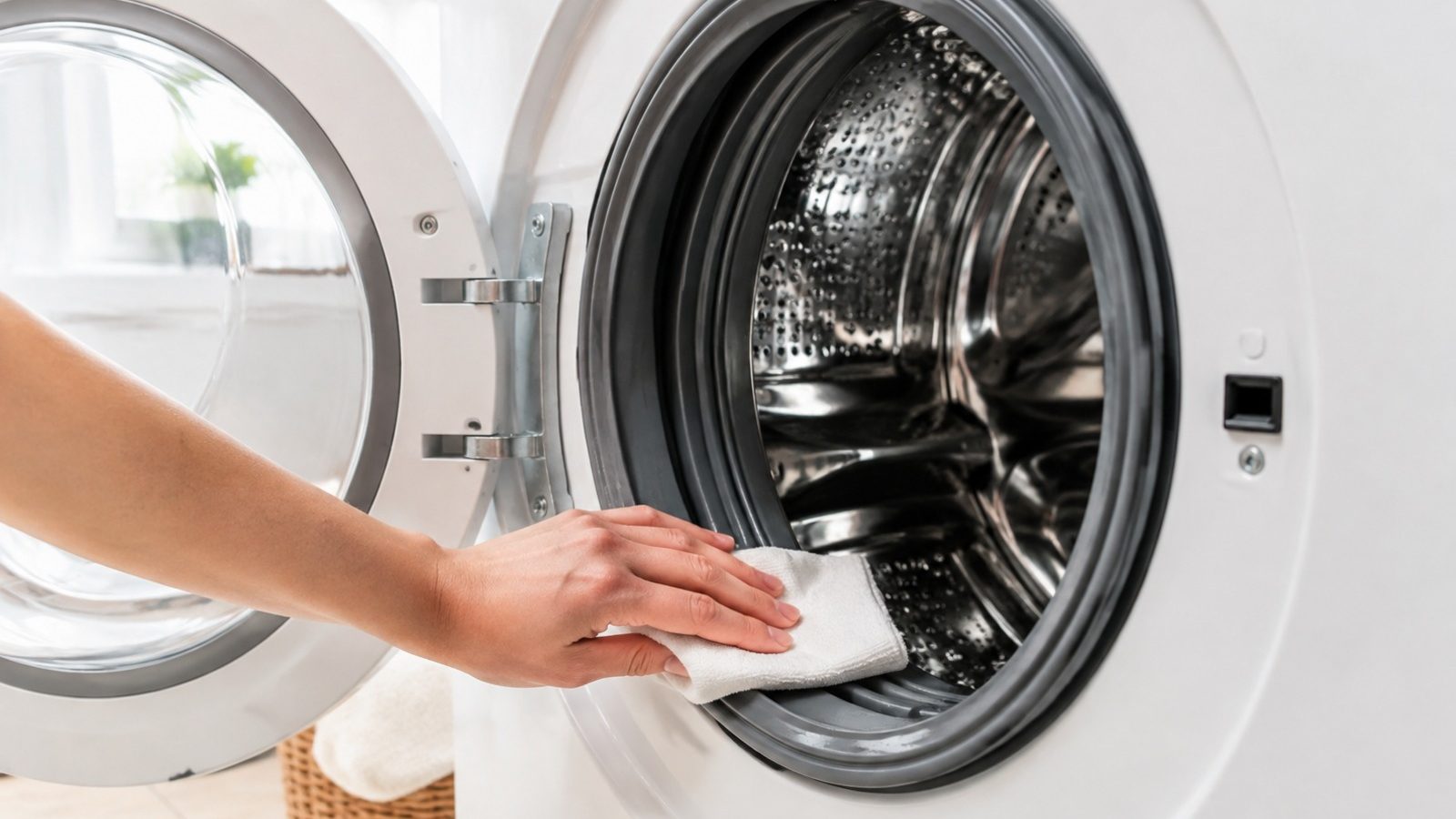
After each load, wipe away damp spots and any visible residue from the door gasket, and leave both the door and the detergent drawer a little open so everything can dry. Leave the washer in place and do not force panels, fittings or controls. When a small change helps, run one regular load before deciding what caused the smell.
Musty smells tend to trace back to soap residue and trapped moisture instead of a broken part, particularly if cold washes and generous detergent are routine. Pay attention to whether it happens with every load, only with certain settings, or once the washer has been running a while; that beats restarting it again and again. The same logic covers the washer cleaner, so measure out the product and quantity named in the manual rather than a stand-in.
| Task | How often | Benefit |
|---|---|---|
| Dry off the gasket | Following loads | Less lingering moisture |
| Wash the detergent drawer | Once a month | Keeps residue from building |
| Run the drum-clean program | As the manual says | Freshens the drum |
A front-load washer keeps water in the gasket fold and the detergent drawer long after a cycle ends. Mixed with detergent and softener residue, that moisture feeds film and odor. KitchenAid guidance for some washers recommends a washer cleaner such as affresh on a regular schedule and leaving the door open between uses, so the drum and gasket can dry.
This is why the symptom often tracks habits. Cold cycles, too much detergent, and a door closed on a damp load all keep residue in place, while a drum and gasket that dry between loads give odor less to work with. If the smell comes only after closed-door stretches, the habit is the first thing to change.
The use-and-care manual spells out the controls, access points and care intervals for your washer, so read it first. Work only on parts it labels as owner-serviceable, choose the cleaning products it recommends, and put every removable piece back exactly where it was designed to sit.
Before running another cycle, clear whatever is in the way, cut back an especially heavy load, and check that airflow, the water supply and the door opening are not cramped. Avoid resetting over and over, since doing so may mask a fault that comes and goes and can leave water, heat or pressure in the wrong place.
Reasonable to attempt
Hand over to a technician
The detergent drawer and its recess are easy to forget, and the guidance for some front-load models notes that an obstructed drawer can cause leaks. The drain pump filter is another place where lint and debris collect, and clogs there can stop draining. Cleaning it is a manual-documented owner task on some models, but it involves power and water, so follow your manual’s steps exactly or leave it to a technician.
Odor and a leak, or an odor and slow draining, together point to a different cause from a smell alone. Describing which combination you have is more useful during a visit than a general complaint about the washer smelling.
An odor that survives wiping, drying and the drum-clean routine on your manual’s schedule, or any leak, is the cue to book.
When the easy checks make no difference, stay on the owner side of the line. Control boards, pumps, motors, heating circuits, refrigerant lines, gas fittings and wiring inside the machine call for test equipment and a technician who can certify the fix is safe.
Call for service quickly if the problem is worsening, a breaker trips, water leaks close to electrical parts, there is a smell of heat or burning, a grinding sound is new, or a standard cycle can no longer finish. Never keep using a washer that shows a safety warning.
Be ready with the model number, a clear description of the symptom, the date it began, the settings you chose and the findings from the safe checks. Capturing a code in a photo or describing the sound helps, but removing a cover to do so is not worth it.
Looking carefully cannot replace a repair, though it is the soundest place to start. Sort out the simple causes, hold onto any message that could help, and give anything involving electrical parts, gas, the sealed system or internal mechanisms to a qualified appliance technician.
Guidance for some KitchenAid washers calls for a washer cleaner on a regular schedule, with the door left open between uses. Your manual lists the interval and the cycle for your model.
Residue can sit in the gasket fold or the detergent drawer even when the drum looks clean. Dry those areas after loads, and check that you are not using more detergent than the manual recommends.
The manual for your model says which cleaners are approved, and mixing cleaning chemicals is unsafe. Stay with the product it names.
Need help now? Visit our services page or contact us.
Official manuals and support notes are available on KitchenAid owner support.
Take down the complete model number before purchasing parts, because board and sensor revisions can change the part number you need.
Powering down and back up once may clear a passing fault, whereas a code that keeps reappearing normally points to a physical problem that is still present.
Keep filters and vents unobstructed in between visits; limited airflow often looks just like a sensor or electrical failure.
If you see water, smell burning or notice sparks, stop using the appliance and arrange for a professional inspection.
Wipe moisture and visible debris from the door gasket after a load, then leave the door and dispenser slightly open to dry.
Only if there is no burning smell, smoke, sparking, gas odor, water near electricity, or other safety warning. Otherwise stop and arrange service.
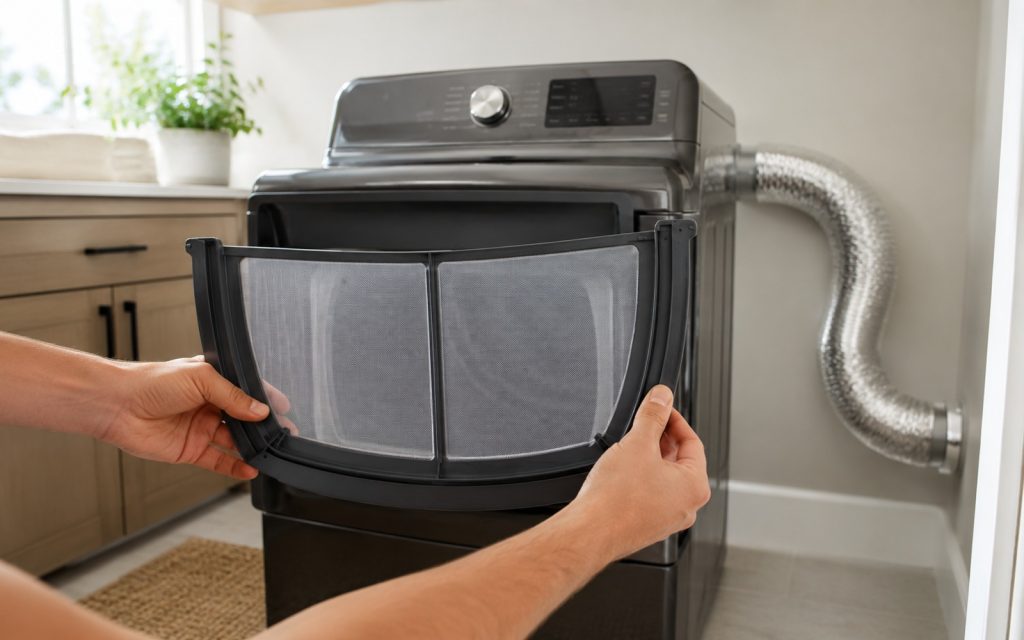
Clean venting improves drying performance and is an important home-safety habit.
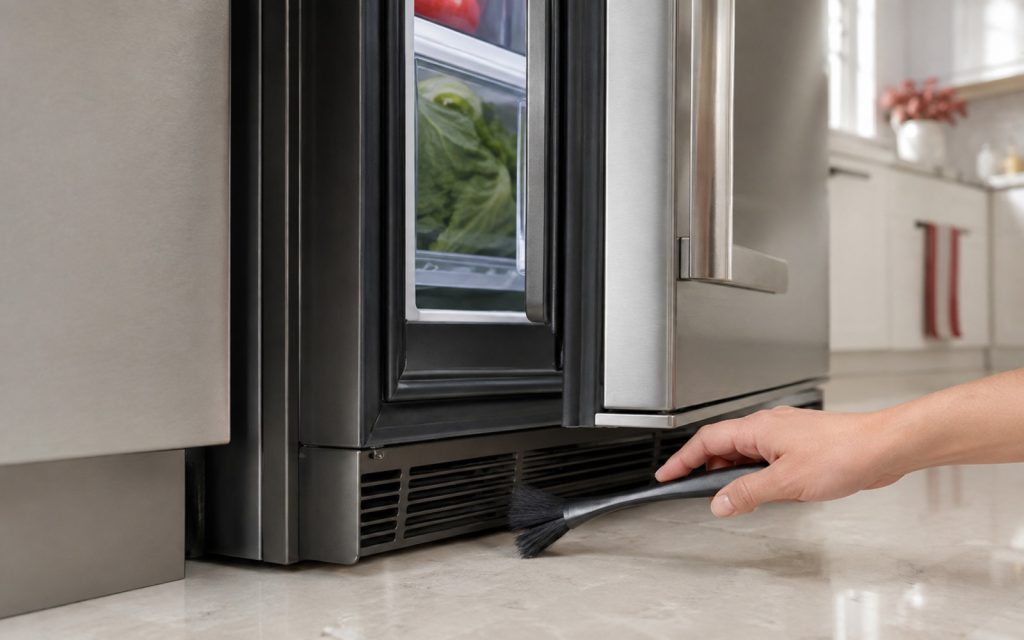
Clear airflow and clean door seals help a refrigerator run efficiently.
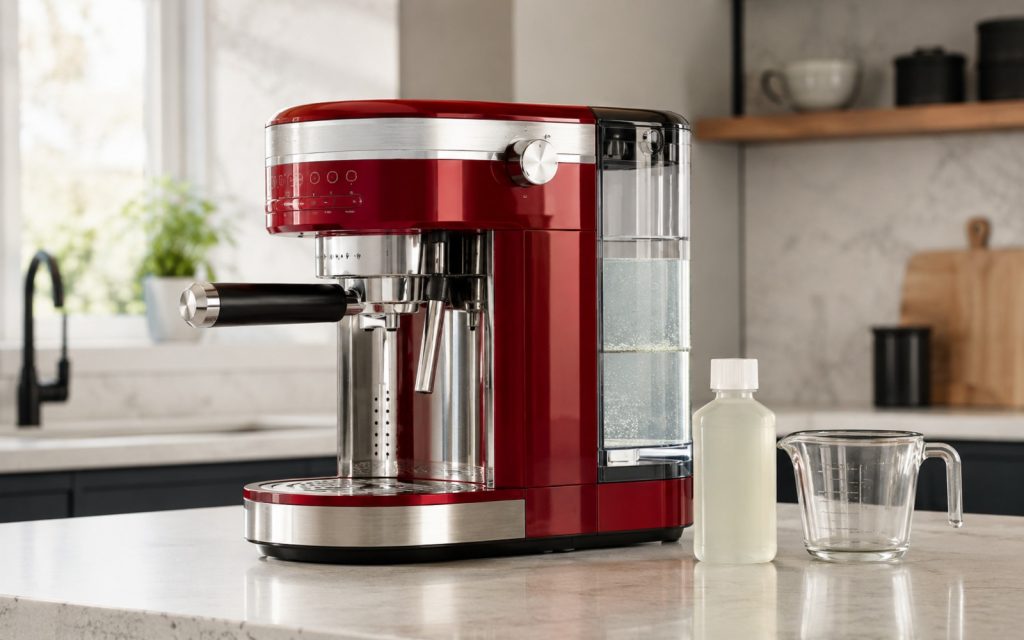
Mineral buildup is the most common cause of slow brewing and lost pressure — here is…
Share a few details and we’ll confirm an appointment. Prefer to talk? Call us and we’ll help right away.
Fields marked with * are required.